
As we navigate the high-energy-cost landscape of 2026, the “thermal weakness” of most homes is their windows. Even the best triple-pane traditional windows are essentially holes in your insulation. Dynamic Glass changes the equation by allowing the window to respond to environmental stimuli—sunlight, temperature, and even your electricity bill.
1. The Core Technologies: How Glass “Thinks” in 2026
Not all smart glass is created equal. In 2026, the market has bifurcated into Active (powered) and Passive (unpowered) technologies, each with distinct benefits.
Electrochromic Glass (The Active Standard)
This is the “Gold Standard” for residential luxury in 2026. Electrochromic windows use a microscopic thin-film coating of ceramic material. When a tiny burst of electricity (often less than what a single LED bulb uses) is applied, ions move between layers, causing the glass to tint.
- The Benefit: You have total control. You can tint the windows via an app, voice command, or set them to sync with your AI HVAC system.
- Energy Impact: By blocking up to 98% of solar radiation during peak summer hours, electrochromic glass can reduce cooling loads by an astounding 20% to 30%.
Suspended Particle Device (SPD) Glass
If you want instant results, SPD is the choice for 2026. Using millions of microscopic particles suspended in a liquid film, this glass can switch from clear to dark in under two seconds.
- Best Use Case: Skylights and home theaters where “instant darkness” is required.
- Performance: It offers superior glare reduction, making it the preferred choice for home offices where screen glare is a constant battle.
Thermochromic & Photochromic (The Passive Retrofit)
For those looking for efficiency without the wiring, passive glass responds naturally.
- Thermochromic: Tints as it gets hotter.
- Photochromic: Tints as the sun gets brighter (similar to “transition” eyeglasses).
- The Pro: No electrical installation required, making it a favorite for 2026 “Green Retrofits.”
2. The Financial Breakdown: Cost vs. Savings in 2026
Let’s talk numbers. High-CPC keywords in the “Window Replacement” and “Home Automation” niches exist because these are high-ticket items.
| Item | Cost per Sq. Ft. (Installed) | Expected Life Span |
| Standard Low-E Window | $40 – $60 | 20 Years |
| Smart Film (Retrofit) | $25 – $55 | 10 – 15 Years |
| Full Smart Glass IGU | $75 – $150 | 25 – 30 Years |
The “Payback” Period
While the upfront cost is higher, smart windows in 2026 typically pay for themselves in 7 to 10 years through:
- Reduced HVAC runtime: Less “cycling” of your AC unit extends its life.
- Elimination of Window Treatments: You save $2,000–$5,000 on high-end blinds and curtains.
- Lighting Savings: By optimizing natural light (daylight harvesting), you reduce the need for interior LED lighting by up to 50% during the day.
3. Integration with the 2026 AI Home
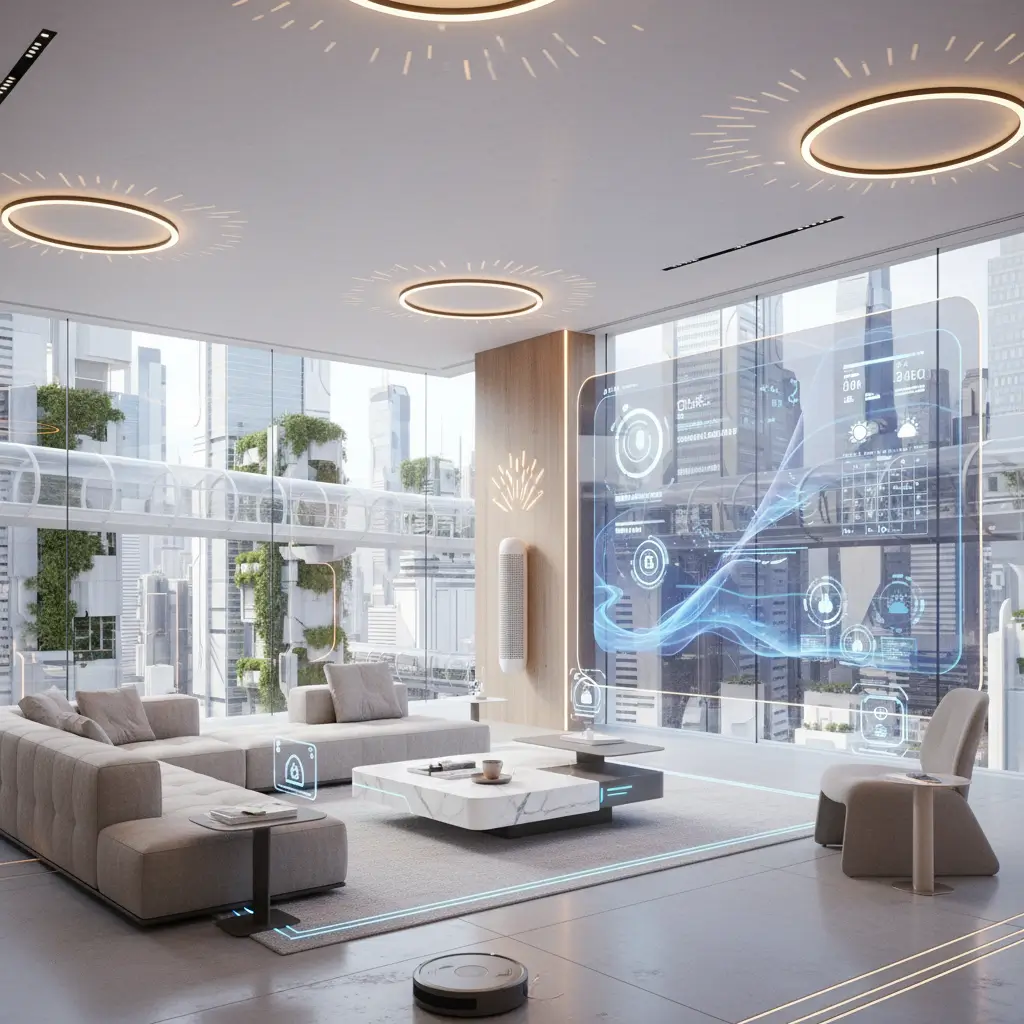
The true magic of smart windows happens when they “talk” to the rest of your home. In 2026, the Matter 2.0 protocol allows your windows to act as a primary sensor for the house.
- The “Sun-Following” Routine: Your windows on the East side of the house tint as the sun rises, while the West side stays clear to maximize natural light. As the sun moves, the tinting “follows” it, keeping the heat out but the view open.
- Lumen Management: If the windows detect that the room is sufficiently bright, they send a command to the smart lighting system to dim the overhead lights to 10%, maintaining a perfect 500-lux environment while drawing minimal power.
- Security Integration: In “Privacy Mode,” smart glass turns opaque instantly. In 2026, many homeowners use this as a security feature—when the alarm is triggered, all windows go opaque to prevent intruders from seeing inside.
4. Residential Real Estate Impact: The “Clear” Advantage
In the 2026 real estate market, smart windows have become a major “value-add.”
- Curb Appeal: A home with dynamic glass looks sleek and modern, lacking the “cluttered” look of mismatched blinds or shades.
- The LEED Premium: Homes with smart glass often qualify for higher “Green Building” certifications, which in 2026 can increase a home’s appraisal value by 5% to 8%.
- UV Protection: Smart glass blocks 99% of UV rays, protecting expensive hardwood floors, artwork, and furniture from sun-bleaching—a hidden saving that adds up to thousands over a decade.
5. Installation: Retrofit vs. New Build
If you are reading this on kayiplay.com, you might be wondering: “Do I have to rip out my walls?”
- The Retrofit (Smart Film): You can apply a “Smart Tint” film to your existing glass. It’s an adhesive layer that connects to a small transformer. This is the most cost-effective way to get 2026 tech into a 1990s home.
- The New Build (IGU): If you are building or doing a full renovation, you install Insulated Glass Units (IGUs). These have the smart tech sandwiched between panes, providing the best thermal insulation (U-value) and the longest lifespan.
6. The Verdict: Is Smart Glass Worth It in 2026?
As utility rates continue to climb, “Passive” home features are becoming the most important investments. Unlike a smart speaker that might be obsolete in three years, smart glass is a structural upgrade. It lowers your “cost of living” every single day the sun rises.
By removing the need for mechanical blinds and taking the load off your HVAC system, smart windows represent the final frontier in residential energy efficiency.